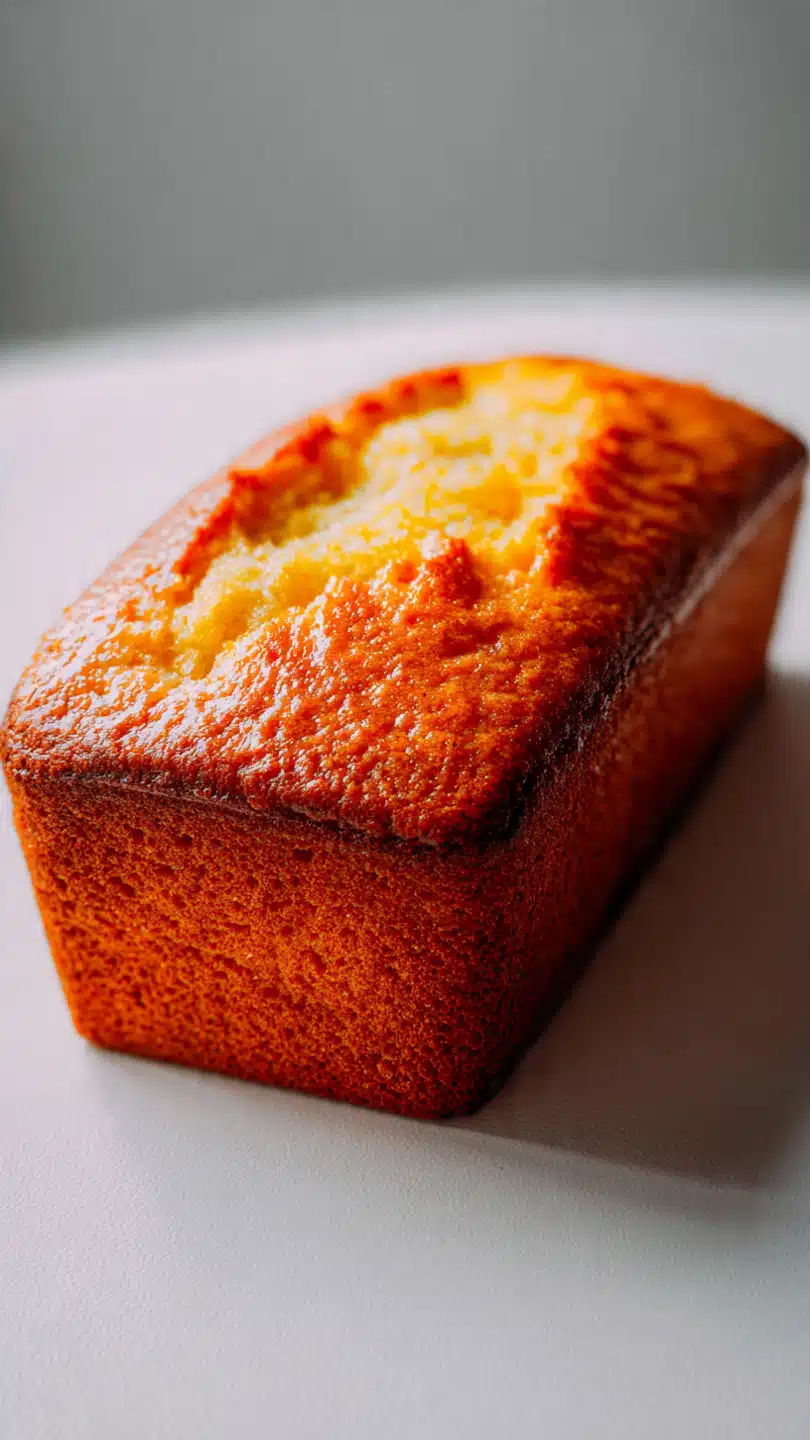
Orange Loaf Cake
There is something instantly comforting about a loaf cake cooling on the counter, and this one brings a bright citrus twist that makes the whole kitchen smell incredible. Orange Loaf Cake is soft, buttery, moist, and packed with sunny flavor, with just enough sweetness to make every slice feel like a little treat worth slowing down for.
Why This Citrus Bake Always Steals the Show
Some bakes are nice to have around, and then there are the ones that disappear before the day is over. This is one of those. The crumb is tender, the orange flavor tastes fresh instead of flat, and the light glaze on top gives it that glossy finish that makes it feel bakery worthy without being fussy.
It is the kind of cake you can serve in the morning with coffee, slice in the afternoon when you want something sweet, or bring to a gathering and watch people come back for a second piece. Trust me, you’re going to love this.
A Little Backstory Behind This Bright and Cozy Favorite
Citrus cakes have a long, lovely history in home baking, especially in places where oranges are easy to find and used in both sweet and savory dishes. Across Europe and the Mediterranean, orange flavored cakes have been baked for generations because they bring fragrance, moisture, and a naturally cheerful flavor that feels both simple and special.
Loaf-style cakes became especially popular because they are easy to mix, easy to bake, and easy to slice. That combination of practicality and charm is exactly why this cake still feels so timeless. It has that old fashioned homemade feel, but the fresh orange notes keep it lively and modern.
Reasons This Bake Earns a Permanent Spot in Your Kitchen
Before we get into the mixing bowls and citrus zest, let me just say, this one’s a total game-changer. It is the sort of dependable bake that feels relaxed enough for a weekday and lovely enough for company.
Versatile: It works beautifully for breakfast, brunch, dessert, or an afternoon snack. A simple dusting of sugar or a glossy glaze can shift the whole mood.
Budget-Friendly: Most of the ingredients are pantry basics, with oranges bringing the main burst of flavor. You do not need anything fancy to make it taste special.
Quick and Easy: The batter comes together with simple steps and no complicated techniques. Even if you are not a frequent baker, this one feels approachable.
Customizable: You can add a little vanilla, swap in yogurt for extra tenderness, or finish it with a thicker glaze for more sweetness. It is very forgiving.
Crowd-Pleasing: Citrus has a way of winning over almost everyone. The flavor is fresh, bright, and balanced, never too heavy.
Make-Ahead Friendly: It keeps well for days, and the flavor actually settles in beautifully after a little rest. That makes it ideal for planning ahead.
Great for Leftovers: Extra slices are easy to toast lightly, glaze again, or turn into a sweet little plated dessert with fruit on the side.
Smart Baking Secrets for the Best Possible Result
Now let’s dive into the little details that make a good loaf become a great one. A few simple habits can make all the difference here.
- Use room temperature ingredients: Butter, eggs, and milk blend more smoothly, which helps create a tender, even crumb.
- Zest before juicing: It sounds obvious, but it saves effort and keeps the process tidy.
- Do not overmix the batter: Once the flour goes in, stir just until combined so the loaf stays soft instead of tight.
- Line the pan well: A parchment sling makes lifting the cake out much easier and keeps that beautiful top intact.
- Cool before glazing: If the cake is too warm, the glaze will melt right off instead of settling into a lovely finish.
Kitchen Tools That Make the Process Feel Easy
A simple cake like this does not ask for much, which is part of its charm. A few basic tools are all you need to get that gorgeous loaf on the table.
Mixing bowls: You will want at least one large bowl and one medium bowl to keep the wet and dry ingredients separate at first.
Loaf pan: A standard 9 x 5 inch loaf pan gives the cake its classic shape and helps it bake evenly.
Hand mixer or whisk: A hand mixer makes creaming the butter and sugar easier, but a sturdy whisk works too if you do not mind a little arm workout.
Microplane or fine grater: This is the best way to get fragrant orange zest without digging into the bitter white pith.
Measuring cups and spoons: Accurate measuring keeps the texture balanced and consistent.
Parchment paper: It helps the cake release cleanly and makes cleanup much simpler.
The Ingredients That Build All That Flavor
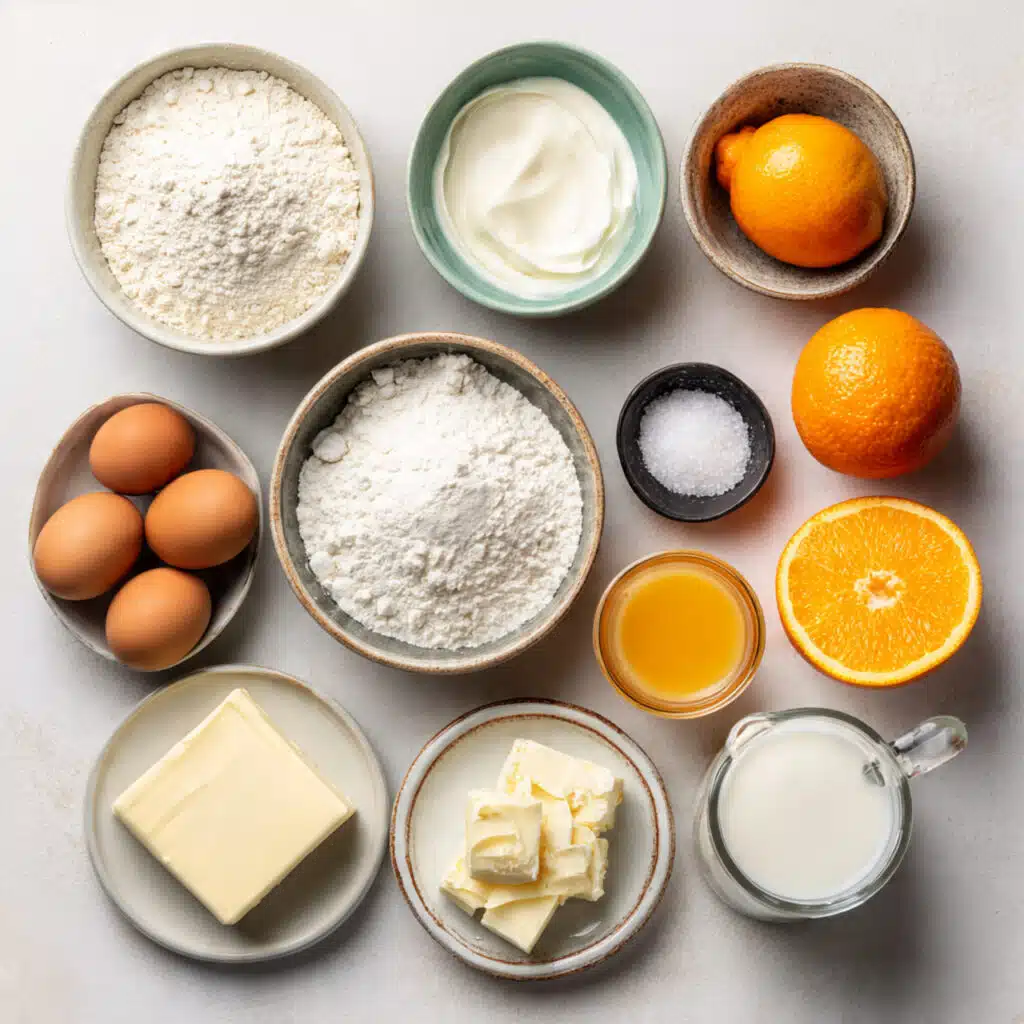
And now we get to the heart of it, the ingredients that turn a simple loaf into something fragrant, moist, and deeply satisfying. Each one plays a role, and together they create that soft golden crumb and bright citrus finish that makes every slice so inviting.
- All-purpose flour: 2 cups, this gives the loaf structure while still keeping the crumb tender.
- Baking powder: 2 teaspoons, this helps the cake rise into a light, soft loaf.
- Salt: 1/2 teaspoon, this sharpens the sweetness and rounds out the citrus flavor.
- Unsalted butter: 1/2 cup, softened, this adds richness and helps create a delicate texture.
- Granulated sugar: 1 cup, this sweetens the loaf and supports a lightly golden crust.
- Large eggs: 2, these bind the batter and add moisture and richness.
- Orange zest: 2 tablespoons, this is where the bold citrus aroma really comes alive.
- Fresh orange juice: 1/2 cup, this adds bright, fresh flavor and a little tang.
- Whole milk: 1/2 cup, this keeps the batter smooth and helps create a soft crumb.
- Vanilla extract: 1 teaspoon, this adds warmth and softens the sharpness of the citrus.
- Powdered sugar: 1 cup, this forms the base of the glaze.
- Fresh orange juice for glaze: 2 to 3 tablespoons, this turns the powdered sugar into a glossy citrus topping.
Easy Ingredient Swaps That Still Taste Wonderful
Sometimes you want to work with what you already have, and thankfully this loaf is flexible enough to handle that. Here are a few simple substitutions that still keep the spirit of the bake intact.
Whole milk: Plain yogurt or sour cream thinned with a little water.
Unsalted butter: Neutral oil, though the texture will be a bit softer and less rich.
Fresh orange juice: Store-bought orange juice in a pinch, though fresh gives a brighter flavor.
Vanilla extract: Almond extract, but use less because it is stronger.
Powdered sugar: A light dusting of granulated sugar can replace the glaze if needed, though the finish will be less glossy.
The Ingredients That Truly Make This Loaf Shine
There are a lot of simple ingredients in this cake, but a couple of them do the heavy lifting when it comes to character.
Orange zest: This is the real star. It brings concentrated citrus fragrance that tastes fresh, vibrant, and naturally sunny.
Fresh orange juice: This adds brightness and moisture at the same time, giving the loaf that unmistakable orange flavor without making it feel too heavy.
Let’s Bake This Beautiful Loaf Together
This is the part where everything starts to come together, and honestly, it is such a satisfying process. The batter smells amazing even before it hits the oven, and once that citrus aroma starts filling the kitchen, let me tell you, it’s worth every bite.
- Preheat Your Equipment: Preheat your oven to 350°F. Grease a 9 x 5 inch loaf pan and line it with parchment paper for easy removal.
- Combine Ingredients: In a medium bowl, whisk together the flour, baking powder, and salt. In a large bowl, beat the softened butter and granulated sugar until pale and fluffy. Add the eggs one at a time, mixing well after each one. Stir in the orange zest, orange juice, milk, and vanilla extract. Add the dry ingredients and mix gently just until no dry streaks remain.
- Prepare Your Cooking Vessel: Make sure the lined loaf pan is fully ready before the batter goes in. This helps you transfer everything quickly and evenly.
- Assemble the Dish: Pour the batter into the loaf pan and smooth the top with a spatula so it bakes into an even loaf.
- Cook to Perfection: Bake for 50 to 60 minutes, or until the top is golden and a toothpick inserted into the center comes out clean or with a few moist crumbs.
- Finishing Touches: Let the loaf cool in the pan for 15 minutes, then transfer it to a wire rack. In a small bowl, stir the powdered sugar with 2 to 3 tablespoons orange juice until smooth, then drizzle the glaze over the cooled loaf.
- Serve and Enjoy: Slice and serve once the glaze is set. The crumb should be soft and moist, with a fresh citrus aroma in every bite.
How the Texture and Flavor Come to Life
One of the best things about this loaf is the contrast between its tender interior and the delicate glaze on top. The crumb is soft and buttery, with enough structure to slice neatly but enough moisture to feel rich and satisfying. That balance is what makes each bite feel so good.
The flavor develops in layers. First you get the sweet butteriness of the cake, then the bright lift of orange zest, and finally the gentle tang from the glaze. Nothing feels too sharp or too sugary. It all melts together into something cheerful, fragrant, and incredibly easy to come back to.
Handy Tips for an Even Better Bake
By this point, you already know the loaf is simple, but these little extras can make the experience even smoother.
- Zest directly over the bowl: This catches all those fragrant citrus oils right where you want them.
- Check the loaf a few minutes early: Ovens vary, and you want moist crumbs, not a dry center.
- Let the glaze settle naturally: Drizzling slowly gives you that pretty finish without flooding the top.
- Use fresh juice for the best flavor: It really does make the orange taste brighter and more natural.
Mistakes to Skip for the Best Texture and Flavor
Even easy bakes can go sideways with a small misstep, so here are a few things to watch for as you go.
- Do not overmix the batter: This can make the loaf dense instead of soft and tender.
- Do not glaze a hot cake: The glaze will disappear into the loaf instead of sitting beautifully on top.
- Do not skip the parchment: It makes releasing the cake much easier and helps prevent tearing.
- Do not use too much juice in the glaze: Add it gradually so the topping stays thick enough to drizzle instead of running everywhere.
A Quick Look at the Nutrition
This loaf feels indulgent, but it still fits nicely into a simple homemade baking routine when sliced sensibly.
Servings: 10
Calories per serving: 265
Note: These are approximate values.
Time You’ll Want to Set Aside
One of the reasons this bake is so easy to love is that it does not ask for an entire day in the kitchen. It feels manageable from start to finish.
Prep Time: 15 minutes
Cook Time: 55 minutes
Total Time: 1 hour 10 minutes
Make-Ahead and Storage Tips That Actually Help
This cake holds up beautifully, which makes it a very practical bake for busy days or planned gatherings. You can prepare it a day ahead and let the flavor settle overnight, which often makes the orange notes taste even deeper and more rounded by the next day.
Store the loaf tightly wrapped at room temperature for up to 3 days, or refrigerate it for up to 5 days if your kitchen is warm. For longer storage, wrap individual slices and freeze them for up to 2 months. Thaw at room temperature or warm gently before serving. If you want that just-baked feel again, a few seconds in the microwave can bring back some softness.
Delicious Ways to Serve It
Once the loaf is baked and glazed, the only thing left is deciding how you want to enjoy it. It is lovely on its own, but it also pairs beautifully with all kinds of little extras.
Serve a slice with hot coffee, black tea, or a creamy latte for an easy morning treat. Add a spoonful of whipped cream or a little bowl of berries if you want to dress it up for dessert. It also works beautifully on a brunch table beside fruit, yogurt, and other soft baked favorites.
Clever Ways to Use the Last Few Slices
In the unlikely event that you have leftovers, there are a few fun ways to keep things interesting. The soft texture and citrus flavor make this loaf surprisingly adaptable.
Turn a slice into a quick dessert by warming it slightly and topping it with a spoonful of yogurt or whipped cream. Cube leftover pieces and layer them with fruit for a simple trifle. You can even toast a slice lightly and spread it with a little butter or orange marmalade for a cozy snack.
A Few More Helpful Notes Before You Bake Again
As with most simple bakes, the little details are what make it feel polished. Fresh oranges will always give you the best flavor, especially when it comes to zest. Try to choose fruit that feels heavy for its size, since that usually means it is juicy.
Also, give the loaf enough time to cool before slicing. I know it is tempting to cut in early when the smell is floating through the house, but a little patience helps the crumb settle and gives you cleaner, prettier slices.
How to Make It Look Truly Special
A loaf this pretty does not need much help, but a few thoughtful finishing touches can make it look extra inviting. A glossy glaze that drips naturally down the sides always looks lovely, especially when it catches the light.
For a simple presentation, place the loaf on a clean white platter and cut a few slices just slightly apart so the texture shows. A little fresh orange zest on top can add color and make the whole thing feel bright and fresh without overdoing it.
Variations Worth Trying Next Time
Once you make this once, it is very easy to start imagining other versions. Here are a few ideas to keep things fun.
Orange Vanilla Loaf
Add an extra 1/2 teaspoon vanilla extract for a softer, sweeter bakery-style flavor.
Orange Yogurt Loaf
Replace the milk with plain yogurt for a slightly richer texture and a gentle tang.
Orange Lemon Twist
Use 1 tablespoon lemon zest along with the orange zest for a sharper citrus profile.
Orange Almond Loaf
Add 1/3 cup finely chopped almonds on top before baking for a little crunch and nutty depth.
Orange Poppy Seed Loaf
Stir 1 tablespoon poppy seeds into the batter for a classic citrus pairing and a pretty speckled crumb.
FAQ’s
Q1: Can I use bottled orange juice instead of fresh juice?
Fresh juice is best for a bright, natural flavor, but bottled juice can work if that is what you have. The loaf may taste slightly less vibrant.
Q2: Why did my loaf sink in the middle?
This usually happens if the batter was overmixed, the oven door was opened too early, or the loaf needed a few more minutes to bake.
Q3: Can I make this loaf without the glaze?
Yes, absolutely. It will still be delicious, just a little less sweet and glossy on top.
Q4: How do I know when the loaf is fully baked?
Insert a toothpick into the center. It should come out clean or with a few moist crumbs, but not wet batter.
Q5: Can I freeze the whole loaf?
Yes. Wrap it tightly once fully cooled, then freeze for up to 2 months. You can glaze it before or after thawing.
Q6: Can I make this in muffin form instead?
Yes, the batter should work well for muffins. Start checking for doneness around 18 to 22 minutes.
Q7: What kind of oranges work best?
Navel oranges are usually sweet, juicy, and easy to zest, which makes them great for this loaf.
Q8: Can I add chocolate chips?
You can, though it will shift the flavor away from a pure citrus loaf. White chocolate works especially well here.
Q9: Why is my glaze too thin?
Too much orange juice can make it runny. Add more powdered sugar a little at a time until it thickens.
Q10: Does this loaf need to be refrigerated?
Not necessarily. It can stay at room temperature for up to 3 days if wrapped well, but refrigeration helps it last longer.
Conclusion
Orange Loaf Cake is one of those bakes that feels simple in the best possible way, easy to make, deeply comforting, and full of bright flavor that makes every slice feel cheerful. From the tender crumb to the glossy citrus glaze, it delivers that homemade charm people always come back to. Bake it once, and there is a good chance it will become one of those recipes you reach for whenever you want something reliable, beautiful, and seriously delicious.
Print
Orange Loaf Cake
- Prep Time: 15 minutes
- Cook Time: 55 minutes
- Total Time: 1 hour 10 minutes
- Yield: 10 slices
- Category: Dessert
- Method: Baking
- Cuisine: American
- Diet: Vegetarian
Description
A soft, buttery orange loaf cake with fresh orange zest, orange juice, and a glossy citrus glaze. It bakes into a tender, fragrant loaf that is perfect for breakfast, snacking, or a simple homemade dessert.
Ingredients
- 2 cups all-purpose flour
- 2 teaspoons baking powder
- 1/2 teaspoon salt
- 1/2 cup unsalted butter, softened
- 1 cup granulated sugar
- 2 large eggs
- 2 tablespoons orange zest
- 1/2 cup fresh orange juice
- 1/2 cup whole milk
- 1 teaspoon vanilla extract
- 1 cup powdered sugar
- 2 to 3 tablespoons fresh orange juice for glaze
Instructions
- Preheat the oven to 350°F. Grease a 9 x 5 inch loaf pan and line it with parchment paper.
- In a medium bowl, whisk together the flour, baking powder, and salt.
- In a large bowl, beat the softened butter and granulated sugar until pale and fluffy.
- Add the eggs one at a time, mixing well after each addition.
- Stir in the orange zest, 1/2 cup fresh orange juice, whole milk, and vanilla extract.
- Add the dry ingredients and mix gently just until combined.
- Pour the batter into the prepared loaf pan and smooth the top.
- Bake for 50 to 60 minutes, or until a toothpick inserted into the center comes out clean or with a few moist crumbs.
- Cool the loaf in the pan for 15 minutes, then transfer to a wire rack to cool completely.
- For the glaze, whisk the powdered sugar with 2 to 3 tablespoons fresh orange juice until smooth, then drizzle over the cooled loaf.
- Slice and serve once the glaze is set.
Notes
- Use room temperature butter and eggs for a smoother batter and better texture.
- Zest the oranges before juicing them for easier prep.
- Do not overmix once the flour is added, or the loaf may turn dense.
- Let the loaf cool before glazing so the topping stays thick and glossy.
Nutrition
- Serving Size: 1 slice
- Calories: 265
- Sugar: 23g
- Sodium: 120mg
- Fat: 10g
- Saturated Fat: 6g
- Unsaturated Fat: 3g
- Trans Fat: 0g
- Carbohydrates: 40g
- Fiber: 1g
- Protein: 4g
- Cholesterol: 55mg